Tech Insights
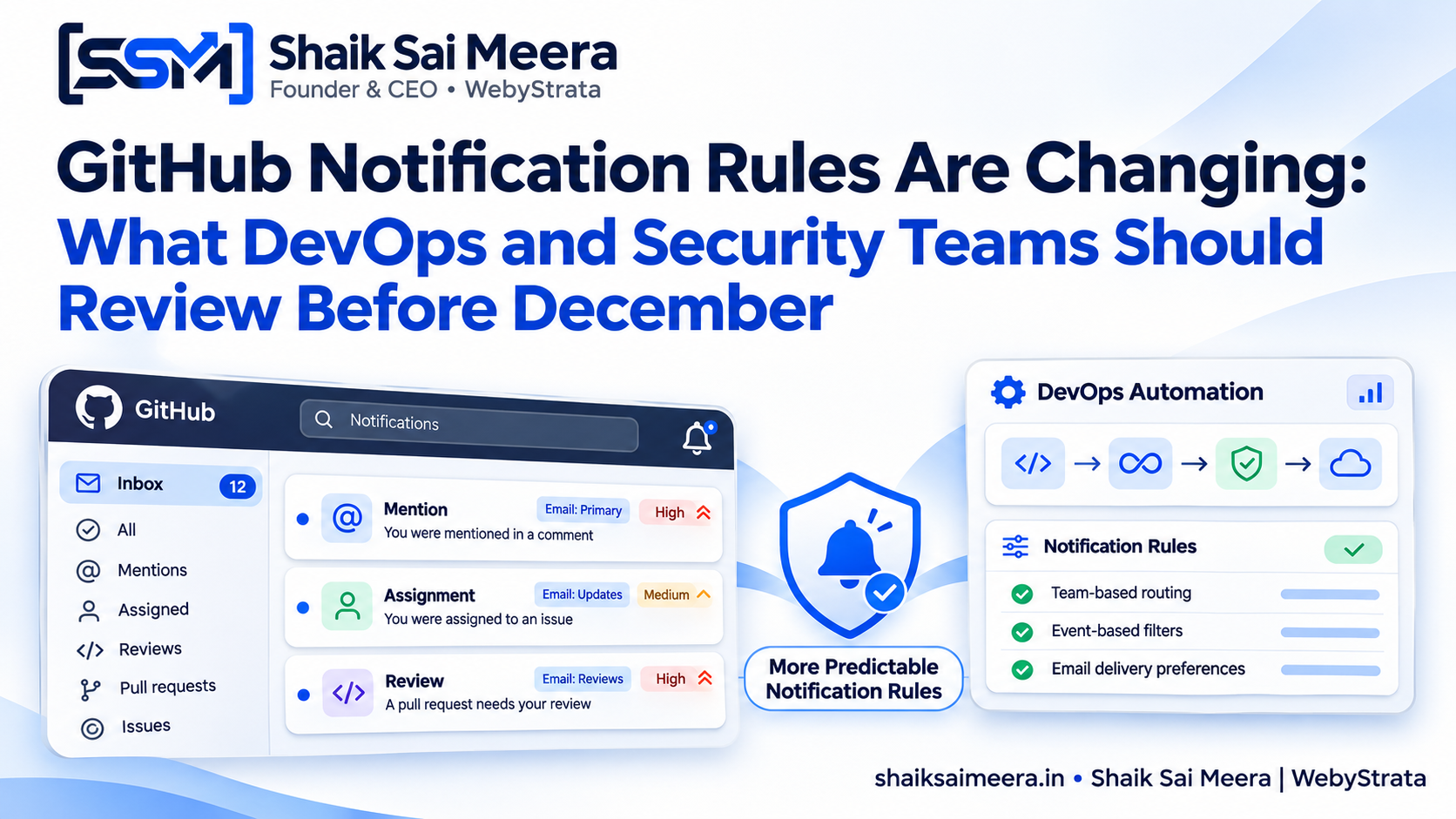
GitHub Delays pull_request_target Enforcement to December 2
GitHub's current Actions documentation now lists December 2 for default pull_request_target enforcement in affected public repositories, giving maintainers more time to review policies.

GitHub Actions maintainers checking their calendars today may have one important date to move. GitHub’s current security documentation now lists December 2, 2026, for enforcement of the default pull_request_target policy in affected public repositories. That is different from the November 2 date in GitHub’s earlier general-availability announcement.
GitHub’s current guidance says the default policy blocks pull_request_target in public repositories that do not already have an applicable Actions event policy. The documentation also says the rule is currently in evaluate mode and will be enforced on December 2. The September general-availability changelog still describes November 2 as the enforcement date, so the current documentation is the important place to check for the latest operational date.
This is not a reason to ignore the change. It is a useful review window. Public repositories that depend on privileged pull-request workflows should use the extra time to identify what will be blocked, decide whether the trigger is necessary and make any exception deliberate.
What GitHub’s default policy does
pull_request_target runs a workflow in the context of the base repository rather than the fork that opened the pull request. That model can be useful when a workflow needs access to repository metadata or carefully controlled permissions, but it also means a pull request from an untrusted source can reach an automation path with more privilege than an ordinary pull_request workflow.
GitHub’s default policy is designed to put a gate in front of that event for public repositories. If there is no applicable event policy, the default blocks the trigger once enforcement begins. The rule does not apply to private or internal repositories, and it does not replace a policy that the repository, organization or enterprise has already configured.
The distinction matters because this is a policy change, not a syntax change in every workflow file. A workflow can remain valid YAML and still stop running when the event is disallowed by the repository’s Actions policy.
Why the trigger deserves a careful review
The risk is not the name of the event by itself. The concern is the combination of an untrusted pull request, a workflow sourced from the base branch and permissions that may include secrets, write access or deployment capabilities. GitHub’s own guidance warns maintainers not to check out, build or run code from an untrusted pull request while giving that code access to repository secrets or a privileged GITHUB_TOKEN.
A practical example is a public project that uses pull_request_target to label incoming contributions, generate previews or run a bot that comments on pull requests. Labelling may only need narrow API permissions. A preview deployment may need cloud credentials and may be much more sensitive. Treating both workflows as equivalent makes it harder to choose a safe policy.
What maintainers should check before December 2
- Review policy insights. GitHub says the evaluate-mode rule can show which workflow runs would be blocked after enforcement. Start with that list rather than searching files one by one.
- Classify every affected workflow. Record its trigger, permissions, secrets, actions, checkout behavior and whether it handles fork pull requests. A small inventory makes exceptions visible.
- Remove the trigger where it is unnecessary. If a workflow only needs ordinary pull-request validation, move it to
pull_requestwhere that fits the project’s design. The right event depends on the workflow’s purpose and trust boundary. - Use an explicit policy for a legitimate exception. If a workflow truly needs
pull_request_target, configure an applicable event policy instead of relying on the default. GitHub’s changelog describes rules that can target individual workflow files, which helps keep an exception narrower than a repository-wide allowance. - Keep untrusted code away from privileged steps. Do not build or execute fork code in the privileged context. Separate analysis of untrusted input from steps that can access secrets, write to protected branches or deploy infrastructure.
- Recheck after the policy change. A workflow can change after the first audit. Review permissions and workflow-file changes as part of normal code review, especially for files covered by an allowlist.
The extra time is useful, but not a safety guarantee
The date change gives teams more time to investigate, but it does not make a risky workflow safe. An explicit allow policy can preserve a necessary automation path while also preserving the responsibility to audit it. Conversely, moving every workflow to another trigger without understanding its permissions can create a different failure or break an important maintenance process.
There is also a documentation-versioning lesson here. GitHub’s older announcement and current reference page show different dates. When a platform security rollout has a scheduled enforcement point, maintainers should verify the current product documentation and policy insights close to the change rather than relying only on an earlier announcement copied into an internal checklist.
For public repositories, the practical takeaway is simple: treat December 2 as the current date shown by GitHub’s security guidance, use the evaluate mode now, and make every surviving pull_request_target workflow an explicit, reviewed decision. A small policy review today is easier than discovering that a privileged automation path stopped at the next release window.
This article is a general information summary based on the cited public sources. It is not legal, cybersecurity, or compliance advice.
Related Articles